

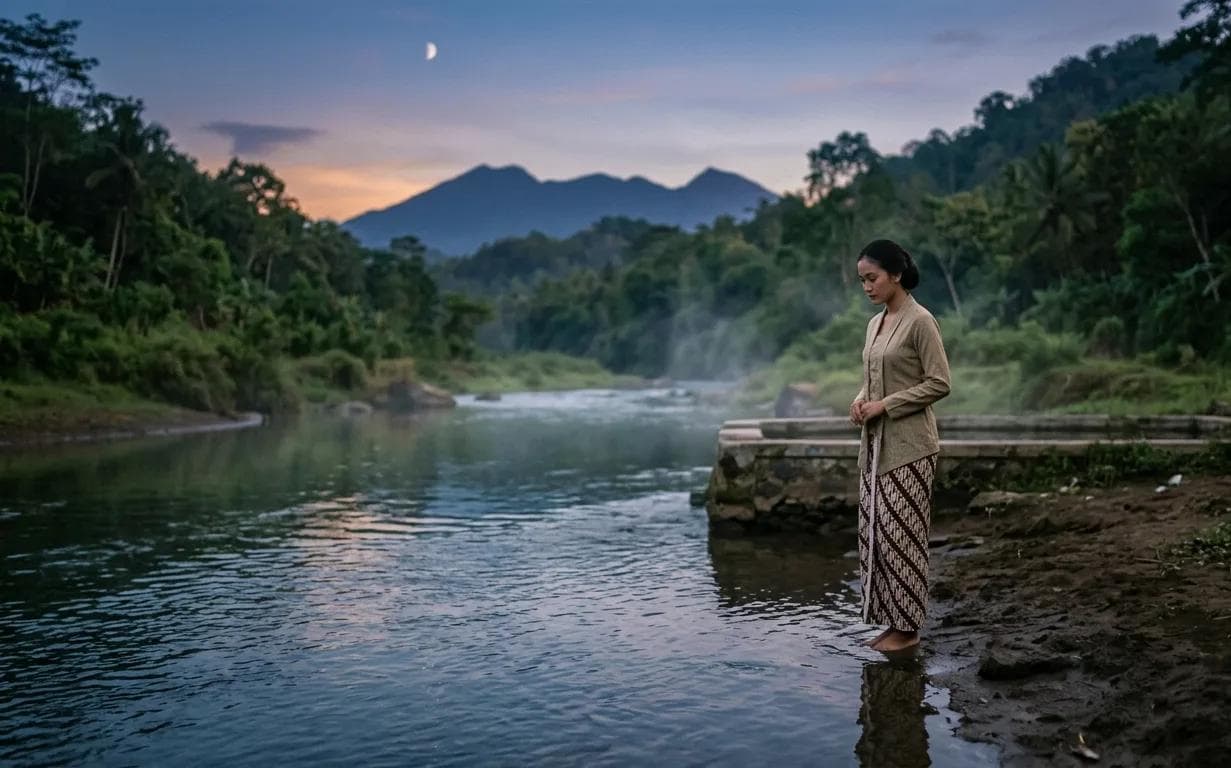
At the easternmost tip of Java, there's a story so deeply tied to Banyuwangi's identity that the region's very name was born from it: the legend of Sritanjung and Sidopekso. Far from just a bedtime tale, this story is still alive today — through a city park, a colossal dance performance, and even the theme of an internationally recognized carnival.
This article retells the legend in full, while tracing how it continues to be kept alive through various forms of culture in Banyuwangi to this day.
A Kingdom at the Eastern Tip of Java
Long ago, so the story goes, the strikingly beautiful easternmost region of Java was ruled by a king named Prabu Sulahkromo. In governing his kingdom, the king was assisted by a brave, wise, and handsome regent named Patih Sidopekso.
Sidopekso's wife, Sritanjung, was so beautiful and gentle in speech that anyone who saw her was captivated — including Prabu Sulahkromo himself.
The King's Scheme
Sritanjung's beauty left Prabu Sulahkromo utterly infatuated, and he secretly desired her. But as the wife of a loyal regent, approaching Sritanjung openly wasn't an easy option for the king. So he devised a cunning scheme: he ordered Sidopekso to carry out an impossible task, hoping his regent would never return — or at least, that it would buy him time to approach Sidopekso's wife.
As a loyal subordinate, Sidopekso never refused his king's command. He set off to complete the task, leaving Sritanjung alone at the palace.
Temptation That Turned to Slander
With Sidopekso gone, Prabu Sulahkromo approached Sritanjung and tried every way he could to seduce her. But all his efforts hit a wall — Sritanjung remained firmly loyal to her husband, flatly rejecting the king's every advance.
That rejection only enraged Prabu Sulahkromo further. Rather than accept defeat, the king devised a cruel slander: when Sidopekso returned from his task, Prabu Sulahkromo told him that Sritanjung had seduced him and been unfaithful during her husband's absence.
Anger That Led to Tragedy
Consumed by rage and blind jealousy, Sidopekso could no longer think clearly. He refused to believe his wife's honest explanation, and with a heart burning with fury, he drew his keris to kill Sritanjung.
But before her death, Sritanjung made one final request as proof of her purity and loyalty: she asked that her body be thrown into the murky river. If the river water later smelled foul, then the accusation against her was true. But if the water turned clear and fragrant, it would prove the accusation was nothing but slander.
Sidopekso, no longer able to hold back, plunged his keris into Sritanjung's chest anyway. Blood splattered, and Sritanjung died instantly.
The Water That Turned Fragrant
As per her final request, Sritanjung's body was thrown into the murky river. Slowly, something unexpected happened — the river water turned as clear as glass, and released a fragrant scent that spread through the surrounding area.
Witnessing this miracle, Sidopekso finally realized the fatal mistake he had made. His wife, so loyal and pure, had been killed over an accusation he never bothered to verify. Overwhelmed by regret to the point of losing his composure, Sidopekso cried out again and again at what he saw before his eyes:
"Banyu... wangi... Banyu wangi..."
Fragrant water. From this cry of regret, the name Banyuwangi is believed to have been born — a name carrying within it a story of love, loyalty, and deep regret.
Traces of the Legend Still Alive in Banyuwangi
What sets the legend of Sritanjung and Sidopekso apart from ordinary folklore is just how alive this story remains in Banyuwangi's public spaces and culture today.
- Taman Sritanjung — located on Jalan Sritanjung, Temenggungan, Banyuwangi District, this city park is named directly after the legend's central figure and has become a must-visit public space for tourists curious about the origin of Banyuwangi's name. Entry is free and it's open 24 hours.
- Sumur Sritanjung — another historical tourism site directly linked to the story of Sritanjung's loyalty, serving as a historical landmark in the city center.
- Kidung Sritanjung — the story has been adapted into colossal dance performances several times, one of which was staged at the East Java Traditional Food Festival, using Banyuwangi ethnic art as its creative foundation.
- Banyuwangi Ethno Carnival (BEC) 2016 — adopted the theme "The Legend of Sritanjung Sidopekso," with 160 carnival participants performing in costumes themed around the story's three central figures (Sri Tanjung, Sidopekso, and Prabu Sulahkromo), walking a 2.5-kilometer route in costumes weighing around 15 kilograms.
Banyuwangi Regent Ipuk Fiestiandani Azwar Anas has even remarked that the legend of Sri Tanjung and Sidopekso is far from an ordinary story — it gives Banyuwangi's identity a distinct character all its own.
A Meaning That Remains Relevant
Despite its tragic ending, the legend carries moral values still taught across generations: the importance of loyalty, the danger of slander, and the fatal consequences of anger left unchecked by clear judgment. Sritanjung, though ultimately killed, is remembered as a symbol of true loyalty — while Sidopekso's regret stands as a reminder that the truth, sooner or later, always comes to light.
Frequently Asked Questions
Who is Sritanjung in the legend behind Banyuwangi's origin?
Sritanjung is the wife of Patih Sidopekso, remembered as a beautiful and loyal woman who rejected the advances of King Prabu Sulahkromo despite his persistent attempts to win her affection.
Who is Prabu Sulahkromo?
Prabu Sulahkromo is the king in the legend who ruled the eastern kingdom of Java. He became obsessed with Sritanjung and created a scheme to separate her from her husband.
Why did Sidopekso kill Sritanjung?
Sidopekso believed Prabu Sulahkromo's false accusation that Sritanjung had been unfaithful. Consumed by jealousy and anger, he killed her before realizing she was innocent.
What was Sritanjung's final request before she died?
Before her death, Sritanjung asked that her body be thrown into a murky river. She said that if the water became foul-smelling she was guilty, but if it turned clear and fragrant, it would prove her innocence.
How did the name "Banyuwangi" originate from this legend?
After Sritanjung's body entered the river, the water became clear and fragrant. Realizing his mistake, Sidopekso repeatedly cried out "Banyu Wangi," meaning "fragrant water," which is believed to be the origin of the name Banyuwangi.
What is Taman Sritanjung?
Taman Sritanjung is a public park in the center of Banyuwangi named after Sritanjung. It is one of the city's best-known landmarks connected to the legend and is open to visitors free of charge.
Are there other places in Banyuwangi related to this legend?
Yes. Sumur Sritanjung is another historical site associated with the story and is considered one of the landmarks connected to Sritanjung's legacy.
How is the legend celebrated in Banyuwangi today?
The story lives on through cultural performances such as Kidung Sritanjung and was featured as the main theme of the 2016 Banyuwangi Ethno Carnival, showcasing costumes inspired by the legend's main characters.
How many performers participated in the 2016 Banyuwangi Ethno Carnival?
The 2016 Banyuwangi Ethno Carnival featured around 160 performers portraying Sritanjung, Sidopekso, and Prabu Sulahkromo while parading through the city.
What moral lessons does the legend teach?
The legend highlights the values of loyalty, honesty, and trust while warning against jealousy, slander, and making decisions without seeking the truth.
Is the legend of Sritanjung and Sidopekso considered historical fact?
No. It is regarded as traditional folklore passed down through generations rather than a documented historical event, although it remains an important part of Banyuwangi's cultural identity.
Where can visitors experience the legacy of this legend?
Visitors can explore Taman Sritanjung and other cultural landmarks in Banyuwangi, as well as attend festivals and performances that continue to celebrate the story.
The legend of Sritanjung and Sidopekso is more than a tragic love story — it's the root of the name we know as Banyuwangi today, and a lasting reminder of loyalty, honesty, and the danger of slander. From a city park to an international carnival stage, this story continues to live on, kept alive by Banyuwangi's people across generations. Want to understand the historical side that runs alongside this legend? Read The Origin of Banyuwangi's Name: Legend and Historical Fact, or explore more of the community's cultural identity in Getting to Know the Osing Tribe: The Original Identity of Banyuwangi's People.