
Indonesia is widely recognized as a country with extraordinary cultural diversity. From Sabang to Merauke, each region possesses unique traditions, languages, arts, and textile heritage. Among these cultural treasures, batik and traditional weaving stand out as two remarkable textile arts that are not only appreciated domestically but have also gained international recognition. Their intricate patterns, complex production techniques, and profound philosophical meanings have made batik and weaving enduring symbols of Indonesia’s cultural wealth passed down through generations.
More than just fabrics, batik and woven textiles represent the identity of local communities, serve as mediums for cultural expression, and reflect the historical journeys of different regions across the archipelago. Today, these traditional textiles remain highly relevant in Indonesian society, appearing in cultural ceremonies, formal events, educational settings, and modern fashion industries. As a result, batik and weaving have become national symbols that help introduce Indonesia’s rich cultural heritage to the world.
Batik as a World-Renowned Cultural Heritage
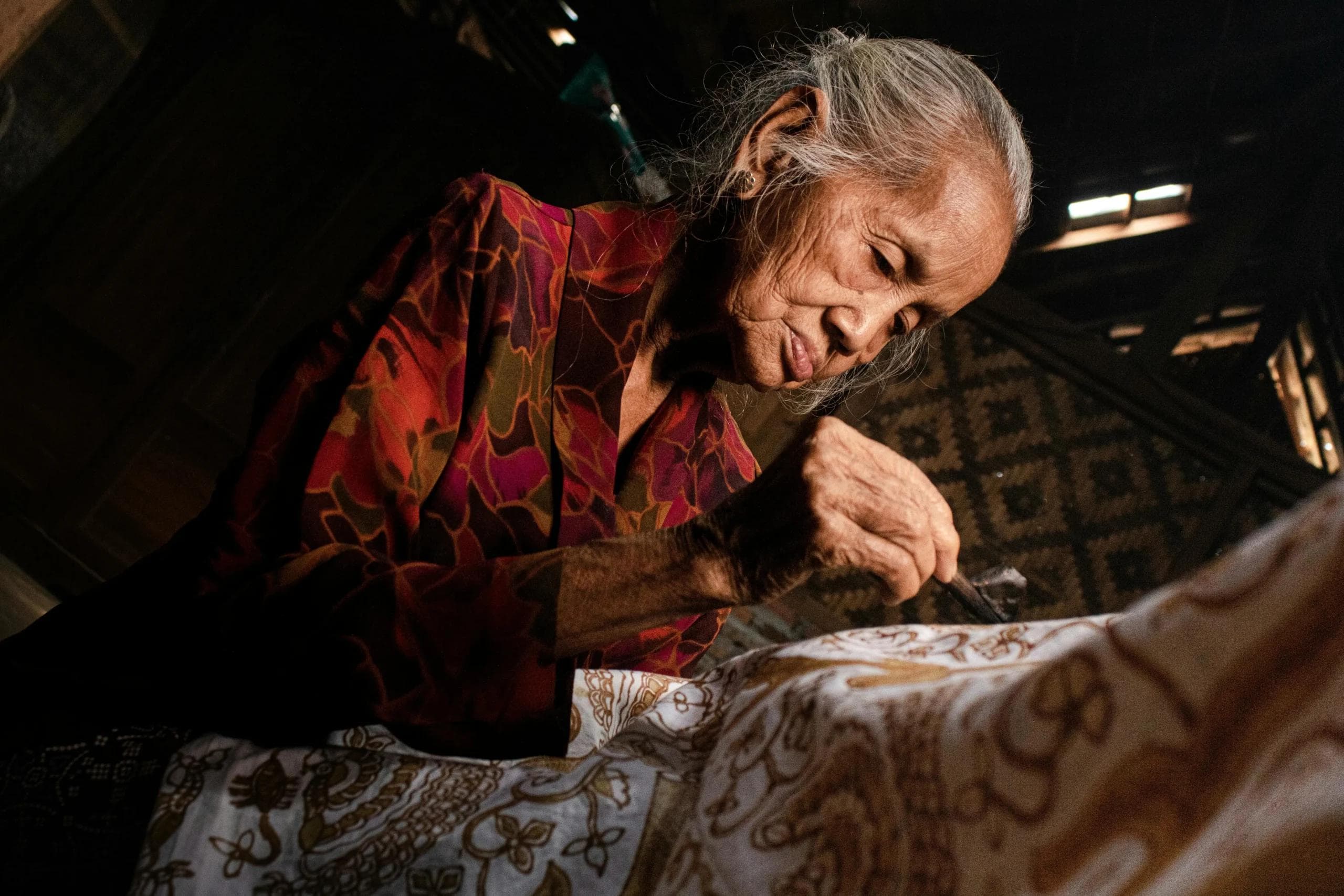
Batik is the art of decorating fabric using hot wax applied to the cloth before it undergoes a dyeing process. This technique has evolved over centuries, producing countless motifs that reflect the characteristics and traditions of their regions of origin. Each batik pattern is not merely decorative; it often carries philosophical values, hopes, and life principles cherished by local communities.
International recognition of Indonesian batik grew significantly when UNESCO designated it as an Intangible Cultural Heritage of Humanity in 2009. This acknowledgment confirmed that batik is more than just a textile product—it is an essential part of Indonesia’s cultural identity with deep historical and cultural significance. Since then, public awareness of preserving and promoting batik has increased, including through the annual celebration of National Batik Day on October 2.
Various regions across Indonesia have developed their own distinctive batik styles. Batik from Yogyakarta and Solo is known for its classical motifs inspired by royal palace traditions, while Pekalongan batik features vibrant colors influenced by coastal cultures. In Banyuwangi, for example, the famous Gajah Oling motif serves as a regional icon and reflects spiritual values and local philosophies. This diversity demonstrates the vast cultural richness embedded in every piece of batik fabric.
Traditional Weaving as an Identity of the Indonesian Archipelago
In addition to batik, traditional weaving is another important cultural heritage with exceptional artistic value. Woven fabrics are created by interlacing warp and weft threads using traditional or semi-modern looms. The process requires patience, precision, and specialized skills, resulting in textiles that hold both cultural and economic significance.
Almost every region in Indonesia has its own weaving tradition. Ikat weaving from East Nusa Tenggara, Songket from South Sumatra, Gringsing from Bali, and Troso weaving from Jepara are just a few examples of Indonesia’s diverse textile heritage that continue to thrive today. Each woven motif tells stories about community life, relationships with nature, and values that have been preserved for generations.
For many indigenous communities, woven textiles serve purposes far beyond clothing. They are used in traditional ceremonies, weddings, religious rituals, and as symbols of social status. Therefore, woven fabrics are deeply connected to the cultural lives of the communities that create them. Every piece of cloth embodies regional identity and pride.
The Philosophy Behind Every Motif
One reason batik and weaving have become symbols of Indonesia’s cultural richness is the profound philosophy contained within their designs. Many motifs originate from observations of nature, life experiences, spiritual beliefs, and values upheld by local communities.
In batik, certain motifs symbolize wisdom, courage, harmony, prosperity, and protection. Historically, some patterns were reserved exclusively for royal families and nobility because of their special meanings. This illustrates that batik is not only an art form but also an integral part of Indonesia’s social and cultural systems.
Similarly, woven motifs often depict relationships between humans, nature, and ancestors. Geometric patterns, representations of animals and plants, and traditional symbols serve as visual narratives that communicate cultural stories and life lessons. Through these motifs, younger generations can learn about history and local wisdom inherited from their forebears.
A Symbol of Diversity Within National Unity
Indonesia is home to more than a thousand ethnic groups, each with its own cultural traditions. This diversity is clearly reflected in the wide variety of batik and weaving motifs found throughout the country. Every pattern possesses unique characteristics in terms of color, design, and symbolism.
Despite these differences, all batik and woven textiles form part of Indonesia’s national identity. Their diversity highlights a cultural richness that few countries can match. In this sense, batik and weaving serve as symbols of unity, bringing together diverse cultural backgrounds under one national heritage.
Whenever Indonesians wear batik or woven fabrics from different regions, they help introduce the beauty of Indonesian culture to broader audiences. This is why these textiles are frequently featured in national and international events as representations of Indonesia’s cultural identity.
The Role of Batik and Weaving in the Modern Creative Industry
Modernization has not diminished the relevance of batik and weaving. Instead, these cultural treasures continue to evolve through the creativity of designers and entrepreneurs. Today, batik and woven fabrics are transformed into contemporary fashion products such as blazers, dresses, bags, shoes, wallets, and accessories.
This transformation has made traditional textiles more appealing to younger generations. Many young people now embrace batik and weaving because of their modern designs and adaptability to current fashion trends. This creates significant opportunities for artisans and small businesses to expand their markets while preserving local cultural traditions.
Beyond their cultural value, batik and weaving contribute substantially to local economies. The traditional textile industry creates employment opportunities, increases artisans’ incomes, and supports tourism and creative economic development in many regions across Indonesia.
Challenges in Preserving Batik and Weaving in the Era of Globalization
Amid rapid technological advancements and globalization, the preservation of batik and weaving faces several challenges. Mass-produced textiles sold at lower prices often compete with traditional products that require more time and craftsmanship to create. Additionally, the issue of artisan regeneration remains a concern, as not all young people are interested in learning traditional batik-making or weaving techniques.
Another challenge lies in educating consumers about the importance of appreciating authentic handmade products. Many printed textiles imitate batik motifs without employing traditional techniques, which can reduce appreciation for genuine hand-drawn and stamped batik. Therefore, collective efforts are needed to increase public awareness of the cultural and economic value of authentic Indonesian textiles.
Governments, educational institutions, cultural communities, and creative industry stakeholders all play vital roles in safeguarding these traditions. Training programs, digital promotion, cultural exhibitions, and market development initiatives are essential strategies to ensure that batik and weaving remain vibrant in the modern era.
Berwastra Community as a Platform for Preserving Batik and Weaving
The preservation of batik and weaving extends beyond production and marketing efforts. Cultural communities also play a significant role in promoting awareness and appreciation of traditional textiles. One such initiative is Berwastra Ria, a gathering that is regularly held every two weeks at the Banyuwangi Batik Center.
This event serves as a meeting place for batik artisans, weaving craftsmen, small business owners, cultural activists, academics, and members of the public who share an interest in Indonesian textiles. During each gathering, participants not only wear batik and woven fabrics as a form of cultural appreciation but also engage in discussions, knowledge sharing, and networking activities focused on the development of Indonesia’s textile heritage.
Through Berwastra Ria, batik artisans exchange insights on production techniques, motif innovation, marketing strategies, and the challenges of maintaining cultural-based businesses. The event also strengthens connections among creative industry players, fostering collaborations that benefit the development of batik and weaving at the local level.
Furthermore, various cultural and craft communities frequently participate in these gatherings. Their involvement creates a dynamic learning environment that encourages the exchange of ideas and innovations. Participants often gain valuable perspectives on how traditional cultural products can adapt to modern market demands without losing their authenticity.
Traditional weaving is also a recurring topic of discussion during these sessions. Participants learn about different weaving traditions from across Indonesia, explore their production processes, and discover the philosophies behind their motifs. Through regular activities such as Berwastra Ria, younger generations have greater opportunities to develop a deeper appreciation for Indonesia’s cultural heritage.
The existence of communities like Berwastra Ria demonstrates that cultural preservation can be achieved through collaborative and sustainable approaches. By facilitating education, discussion, and interaction among cultural practitioners, batik and weaving continue to evolve as living traditions that remain relevant in contemporary society.
FAQ
What is batik?
Batik is a traditional textile created using a wax-resist dyeing technique that produces distinctive patterns with artistic and cultural significance.
What is the difference between batik and weaving?
Batik is made through a wax-resist dyeing process, while weaving is created by interlacing warp and weft threads to form fabric.
Why is batik considered a symbol of Indonesian culture?
Because it embodies historical, philosophical, and cultural values that have been passed down through generations in various regions of Indonesia.
When was Indonesian batik recognized by UNESCO?
Indonesian batik was recognized as an Intangible Cultural Heritage of Humanity by UNESCO on October 2, 2009.
Why are woven fabrics highly valued?
Their production requires extensive time, craftsmanship, and skill, while also carrying deep cultural significance.
What role does weaving play in traditional communities?
Woven textiles are used in traditional ceremonies, weddings, religious rituals, and as symbols of social status.
Why do batik motifs have different meanings?
Because each motif reflects the unique history, environment, traditions, and values of the community that created it.
Which regions are famous for producing batik?
Yogyakarta, Solo, Pekalongan, Cirebon, Banyuwangi, Madura, and Lasem are among Indonesia’s most renowned batik-producing regions.
What are some famous Indonesian weaving traditions?
Examples include Sumba Ikat, Palembang Songket, Balinese Gringsing, Troso Weaving from Jepara, and Balinese Endek.
How can younger generations help preserve batik and weaving?
By wearing local products, learning their history, promoting them through social media, and supporting local artisans.
What are the benefits of joining textile communities like Berwastra Ria?
Participants can expand their networks, exchange knowledge, gain new insights, and contribute to cultural preservation efforts.
Why are batik and weaving important for Indonesia’s future?
Because they represent national identity, support the creative economy, and preserve cultural heritage for future generations.