

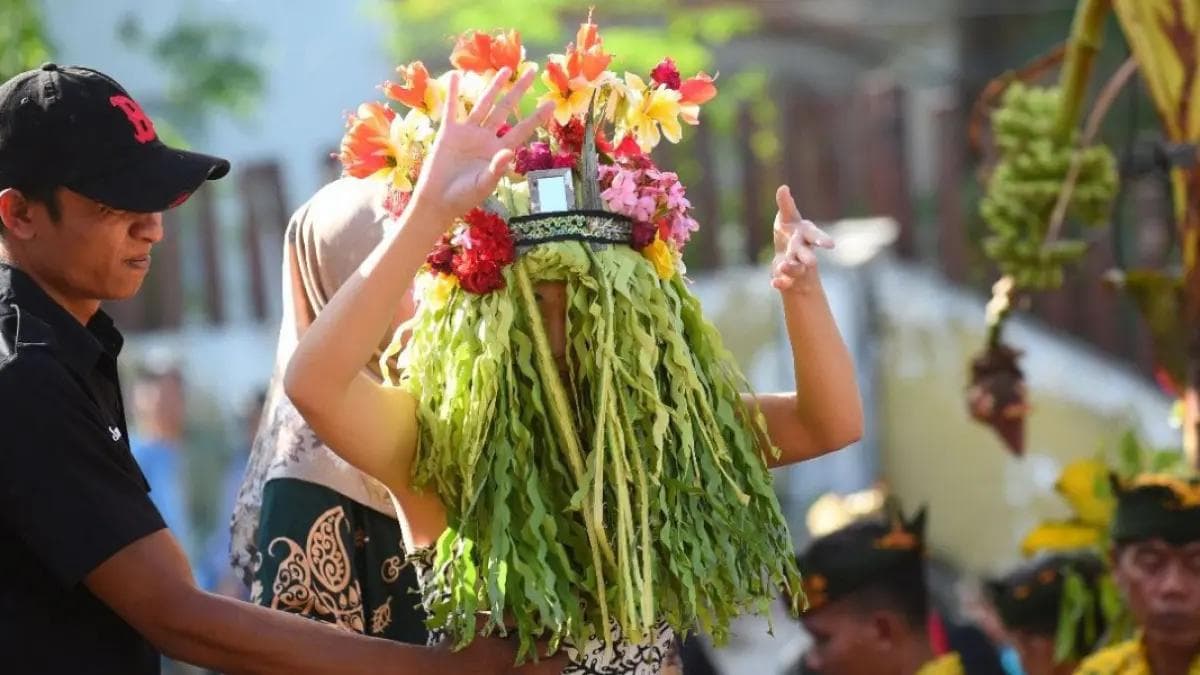
Among the many Osing traditions still surviving today, the Seblang Ritual is one of the most spiritually charged, and one of the hardest to find anywhere else. This ritual is only held in two villages in Glagah District, Banyuwangi — Bakungan and Olehsari — making it one of the region's most exclusive cultural treasures.
This article covers the origins, meaning, and the differences in how the Seblang Ritual is carried out in each village, as well as how this sacred tradition continues to survive into the modern era.
What Is the Seblang Ritual
The Seblang Ritual is a traditional Osing ceremony held for village cleansing and warding off misfortune, aiming to keep the village safe and peaceful. Functionally, this ritual bears similarities to the Sintren tradition in the Cirebon region and Sanghyang Dedari in Bali — both involve dancers entering a trance or possessed state as part of the ritual.
What makes Seblang special is its status as an extremely old tradition, with origins so obscure that even cultural researchers struggle to trace exactly how it began.
The Story of Semi: The Origin Believed by the Community
One story most often linked to Seblang's origin is that of Semi, a figure believed to be the first known Seblang dancer and also the pioneer of the first female Gandrung dance (Semi passed away in 1973).
According to the story passed down through generations, young Semi suffered from a severe illness that never seemed to go away. Her mother, Mbok Milah, then made a vow: if Semi recovered, she would be made a Seblang dancer. Semi did recover, the vow was fulfilled, and in her teenage years Semi became a Gandrung dancer, passing the tradition on to her descendants.
Two Faces of Seblang: Olehsari and Bakungan
Although rooted in the same Osing cultural tradition, the Seblang Ritual takes on two distinct forms in these two neighboring villages:
Seblang Olehsari
- Held one week after Eid al-Fitr
- The dancer must be a young girl who is still a virgin
- The dancer is chosen through a supernatural process called kejiman, and must come from the same bloodline as the previous Seblang dancer
Seblang Bakungan
- Held one week after Eid al-Adha
- The dancer must be a woman over 50 years old who has gone through menopause
- Both pre-pubescent girls and post-menopausal women are considered pure within the context of this ritual
In both villages, the dancer is chosen by an elder or shaman called a Gambuh, through a spiritual process that is anything but arbitrary.
How the Ritual Unfolds: Trance, Gamelan, and the Scarf
The Seblang Ritual begins with the playing of Gending Lukito, music that serves as a signal calling ancestral spirits to attend the ritual. The Seblang dancer then enters a trance or possessed state (kerawuhan), believed to be possessed by ancestral spirits, and dances to the rhythm of the gamelan without showing any sign of fatigue, even after hours of dancing.
The dancer wears traditional attire complete with an omprok, a crown-like headpiece made of banana leaves decorated with flowers. Midway through the performance, the dancer throws a scarf randomly toward the audience — whoever catches it is required to dance alongside the Seblang dancer for a while, making this ritual one that also involves direct participation from local residents and visitors present.
Why This Tradition Nearly Disappeared
Over the course of its history, the Seblang tradition was once abandoned for security and political reasons during a certain period. But according to stories passed down in the community, once the ritual was halted, a number of residents began experiencing unexplained possession. Those affected then requested that the Seblang tradition be revived.
Since then, the community has believed that failing to perform this tradition would bring disaster upon the village — a belief that stands as one of the strongest reasons the Seblang Ritual continues to be preserved today, rather than fading away like many other traditional rituals elsewhere.
Seblang in the Modern Era
Today, while remaining sacred and deeply spiritual for the Osing community, the Seblang Ritual has also become one of Banyuwangi's leading cultural tourism attractions. Visitors can witness firsthand the repetitive, abstract dance movements, the hypnotic musical accompaniment, and the tense yet mesmerizing trance atmosphere.
Because its schedule is highly specific and limited — occurring only once a year in each village — many tourists plan their visits well in advance to avoid missing this rare moment.
Frequently Asked Questions
What is the Seblang Ritual?
The Seblang Ritual is a sacred traditional ceremony of the Osing people in Banyuwangi, performed to cleanse the village and ward off misfortune. It features a dancer who enters a trance believed to be guided by ancestral spirits.
Where can I witness the Seblang Ritual?
The Seblang Ritual is performed only in two villages in Glagah District, Banyuwangi: Olehsari Village and Bakungan Village.
What's the difference between Seblang Olehsari and Seblang Bakungan?
Seblang Olehsari is held one week after Eid al-Fitr and is performed by a young unmarried girl, while Seblang Bakungan takes place one week after Eid al-Adha and is performed by a woman over 50 who has reached menopause.
Who was Semi in the history of the Seblang Ritual?
Semi is believed to have been the first Seblang dancer and later became the pioneer of the female Gandrung dance tradition after recovering from a serious illness through a vow made by her mother.
How is the Seblang dancer selected?
The dancer is chosen through a spiritual selection led by a traditional elder known as a Gambuh. In Olehsari, the dancer must also come from the same family lineage as the previous Seblang performer.
What happens during the Seblang Ritual?
The dancer enters a trance while performing to traditional gamelan music, wears an omprok (a floral crown made from banana leaves), and later throws a scarf into the audience, inviting one visitor to dance as part of the ceremony.
What is an omprok?
An omprok is a ceremonial headpiece made from banana leaves and decorated with flowers, worn by the Seblang dancer during the ritual.
What happens if someone catches the scarf?
Anyone who catches the scarf is invited to join the Seblang dancer for a short dance, becoming part of the ritual performance.
Why did the Seblang tradition almost disappear?
The ritual was temporarily suspended because of political and security conditions. Local tradition says it was revived after several villagers experienced unexplained spiritual disturbances believed to be linked to the ritual's absence.
Is the Seblang Ritual similar to traditions in other regions?
Yes. It shares similarities with the Sintren tradition of Cirebon and the Sanghyang Dedari ritual of Bali, both of which involve dancers entering a trance as part of a sacred ceremony.
Can tourists watch the Seblang Ritual?
Yes. Although it remains a sacred ceremony for the local community, visitors are welcome to observe the ritual respectfully during its annual performance.
When is the best time to see the Seblang Ritual?
Seblang Olehsari is held one week after Eid al-Fitr, while Seblang Bakungan takes place one week after Eid al-Adha. Since each ceremony is held only once a year, planning your visit in advance is highly recommended.