
There is a word that has been showing up more often in Indonesian conversations about fashion and culture lately: wastra. It refers broadly to traditional handmade textiles, *batik, tenun, songket, ulos, *and many other regional weaves and dyed cloths found across the archipelago. And alongside it, a movement called Berwastraria, roughly translated as "taking joy in wastra," has been encouraging people to actually wear these fabrics, not just admire them from a distance.
What sparked the movement
Interest in* wastra* tends to spike whenever a piece of Indonesian textile heritage gets claimed or misattributed by another country, a recurring frustration that often plays out on social media. These moments have a way of reminding people that* wastra* is not just fabric, it carries centuries of regional identity, symbolism, and craftsmanship that deserve recognition and, more importantly, everyday use.
Berwastraria grew out of that same energy, but with a more constructive angle. Rather than only reacting defensively when heritage feels threatened, the movement pushes people to actively engage with* wastra*, learn what makes their own region's textiles distinct, and wear them in ways that feel natural rather than reserved only for formal ceremonies.
Wastra is not one thing
Part of what makes this movement interesting is how much diversity exists under the single word* wastra*. Batik alone varies dramatically depending on where it is made. Batik from the northern coast of Java tends to use bright, bold colors and nature inspired motifs, while batik from inland royal courts like Yogyakarta and Surakarta leans toward more muted tones and symbolic patterns tied to Javanese philosophy. Banyuwangi's own batik falls into the coastal category, known for motifs like Gajah Oling and Kangkung Setingkes, each carrying its own local meaning rather than court symbolism.
Beyond* batik, tenun* weaving traditions from places like Nusa Tenggara, Sumba, and Flores use entirely different techniques, often involving hand spun thread and natural dyes woven directly into intricate patterns rather than applied afterward.* Songket,* associated strongly with Sumatra, incorporates metallic gold or silver thread woven into the fabric itself, historically reserved for nobility and special occasions. Ulos from the Batak people of North Sumatra carries deep ceremonial significance, often gifted during major life events like weddings and funerals.
Berwastraria encourages people to learn these distinctions rather than treating wastra as a single generic category, since each type reflects a specific community's history, values, and craftsmanship.
From ceremony to everyday wear
One of the more practical goals behind Berwastraria is normalizing* wastra* as everyday clothing rather than something pulled out only for weddings or formal government events. This means encouraging people to pair a batik shirt with jeans, style a* tenun* scarf casually, or incorporate songket accents into modern outfits, essentially treating these textiles the way people already treat denim or linen.
This shift matters for a simple reason. Textiles that only get worn once or twice a year risk becoming museum pieces rather than living traditions. When people wear* wastra *regularly, demand for authentic, handmade pieces increases, which directly benefits the artisans and small workshops still producing these textiles by hand rather than through mass manufacturing.
How Banyuwangi fits into this bigger picture
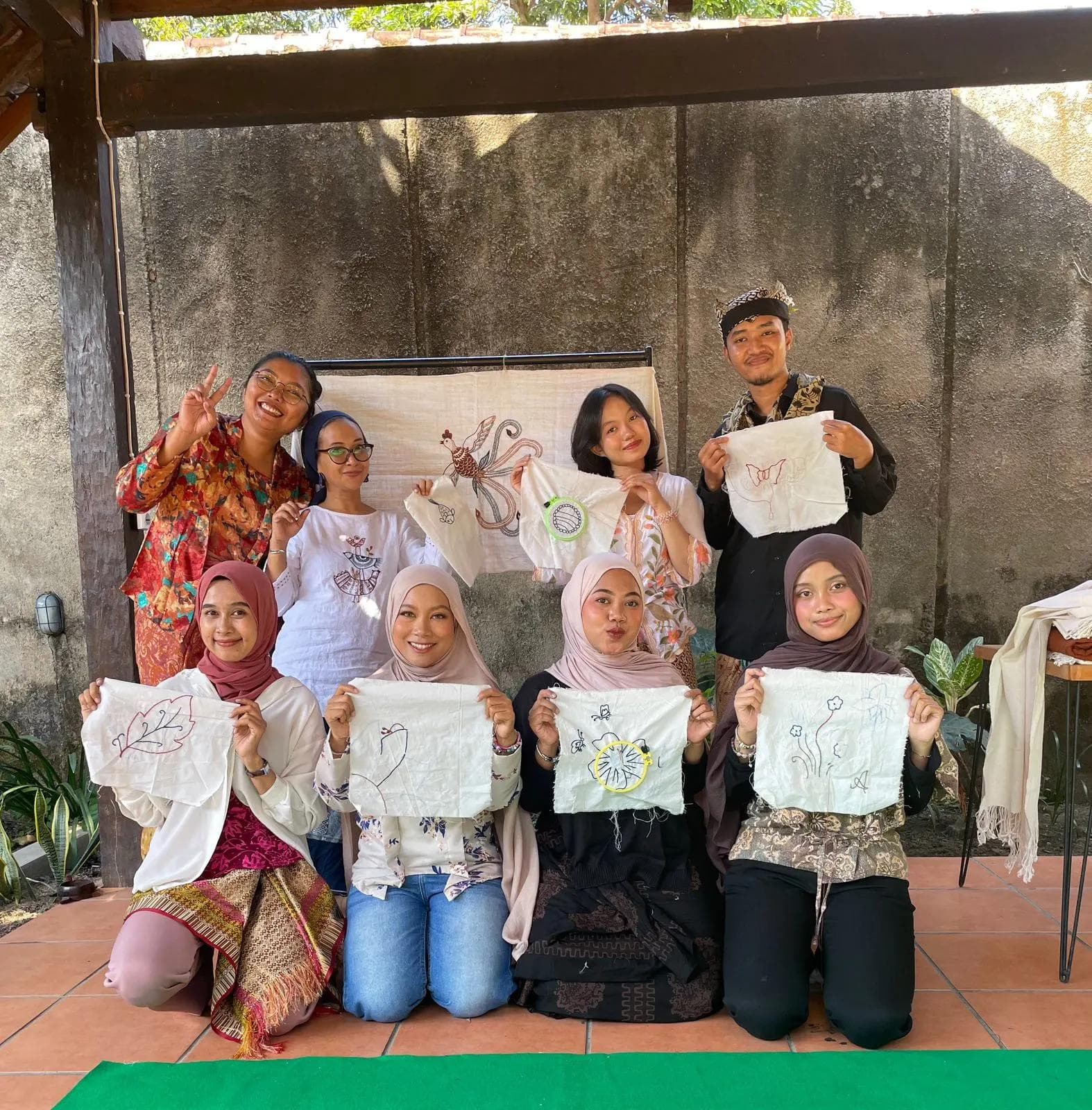
At Sekar Jagad, this idea sits close to home. Our gallery exists specifically to support Banyuwangi's* batik* artisans, many of whom are keeping motifs alive that could otherwise fade from daily use. Every purchase, workshop booking, or simple visit to browse the collection plays a small part in the same goal that* Berwastraria* champions nationally, keeping traditional textiles relevant, valued, and worn rather than locked away as decoration.
Whether you are shopping for batik, planning to learn batik firsthand, or simply curious about what makes Banyuwangi's textiles distinct, taking part in* Berwastraria* does not require a grand gesture. It can start with something as simple as choosing to wear a piece of authentic Indonesian wastra on an ordinary day.
Frequently Asked Questions
What does the word wastra mean?
Wastra is a broad term for traditional Indonesian textiles, including batik, tenun, songket, ulos, and many other handmade fabrics from across the archipelago.
What is Berwastraria?
Berwastraria is a movement that encourages people to appreciate, learn about, and wear Indonesian wastra regularly instead of reserving it only for formal occasions.
Why has Berwastraria become more popular?
The movement gained momentum as more people recognized the importance of protecting Indonesia's textile heritage and supporting local artisans, especially after cultural heritage disputes gained public attention.
Is batik the only type of wastra?
No. Wastra includes many traditional textiles such as batik, tenun, songket, ulos, and numerous regional fabrics produced throughout Indonesia.
What makes Banyuwangi batik unique?
Banyuwangi batik belongs to the coastal batik tradition, featuring vibrant colors and nature-inspired motifs such as Gajah Oling and Kangkung Setingkes.
Can wastra be worn as everyday clothing?
Yes. Berwastraria encourages people to combine wastra with modern fashion, making traditional textiles suitable for everyday wear.
What is the difference between batik and tenun?
Batik is created using a wax-resist dyeing process, while tenun is made by weaving colored threads directly into patterned fabric on a loom.
What is songket?
Songket is a traditional textile woven with metallic gold or silver threads. It is closely associated with Sumatra and has long been worn during important ceremonies.
What is ulos?
Ulos is a traditional cloth from the Batak people of North Sumatra. It plays an important role in cultural ceremonies and is often presented during weddings and other significant life events.
How does wearing wastra support local artisans?
Choosing authentic handmade wastra increases demand for traditional textiles, helping local artisans and small workshops preserve their skills and livelihoods.
Do I need to understand a motif before wearing it?
It is not required, but learning the meaning behind a motif helps you appreciate its cultural significance and wear it with greater respect.
Can international visitors join the Berwastraria movement?
Yes. Anyone can support the movement by learning about Indonesian textiles and purchasing authentic wastra from local artisans.
Where can I find authentic Banyuwangi wastra?
Sekar Jagad Batik Center and Creative Hub in Banyuwangi offers authentic local batik, cultural experiences, and opportunities to meet the artisans behind each piece.
How can I identify handmade wastra?
Handmade textiles often feature slight variations in patterns, colors, and line work, making each piece unique compared to machine-printed fabrics.
What is the easiest way to participate in Berwastraria?
Start by wearing an authentic piece of Indonesian wastra in your daily life and take time to learn the story behind its motifs or weaving techniques.